
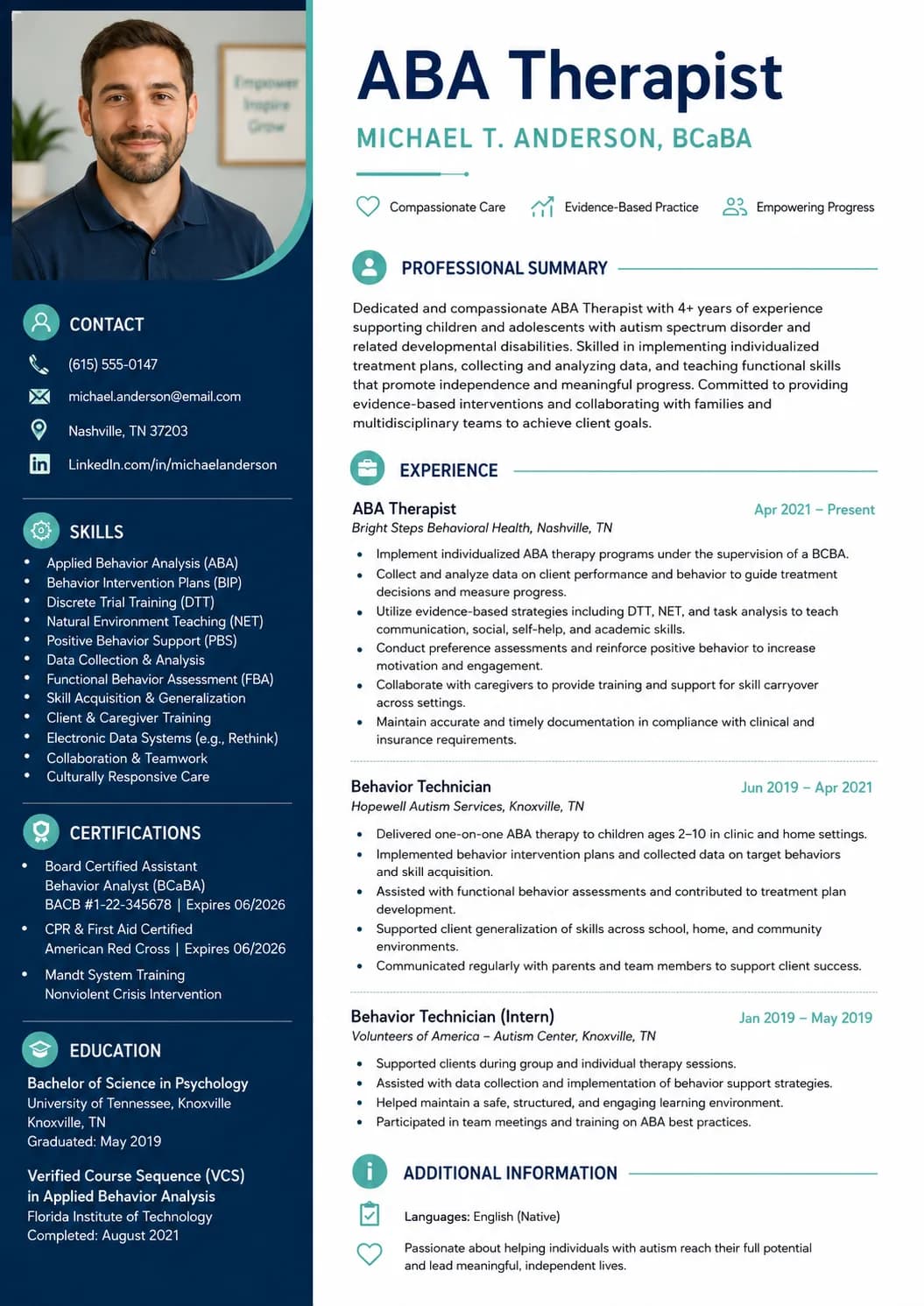
Entry-level ABA therapist
- Contact information
- Resume summary
- Education
- ABA training or related care experience
- Certifications and safety training
- Skills
- Volunteer, childcare, school, or support work
Use these ABA therapist resume examples to show behavior therapy experience, data collection, skill acquisition, behavior support, RBT certification, and caregiver communication in a clear way.
ABA Therapist
sofia.bennett@email.com | (407) 555-3182 | Orlando, Florida | linkedin.com/in/sofia-bennett-aba
ABA therapist with 4+ years of experience providing one-on-one therapy in clinic, home, and school settings. Skilled in RBT-level data collection, skill acquisition, DTT, natural environment teaching, behavior intervention plan support, caregiver communication, and objective session documentation under BCBA supervision.
ABA Therapist, BrightPath Behavioral Services
Orlando, Florida | Feb 2021 - Present
Behavior Technician, Little Steps Autism Center
Kissimmee, Florida | Jun 2019 - Jan 2021
Your ABA therapist resume should show that you can provide direct therapy, follow a treatment plan, collect accurate behavior data, and support clients with patience and professional boundaries. ABA therapy roles often involve working with autistic children, adolescents, or adults, but the resume should not stop at saying that you worked with clients. It should show what you actually did in session. Strong ABA therapist resume examples mention skill acquisition, behavior intervention plans, reinforcement, prompting, fading, DTT, natural environment teaching, parent or caregiver updates, and session documentation. Employers also want to see that you understand scope of practice. Many ABA therapists or behavior technicians implement plans created by a BCBA or BCaBA. Your resume should show that you can follow clinical direction, accept feedback, maintain client dignity, and document objectively. A strong ABA therapist resume balances care and evidence. It sounds human, but it also shows data, consistency, safety, and treatment fidelity.
Quick breakdown
It leads with direct ABA therapy proof instead of generic healthcare or childcare language.
It uses the same terms ABA clinics, schools, and behavioral health employers expect, including data collection, skill acquisition, behavior support, RBT, and BCBA supervision.
It shows both sides of the role: compassionate client support and accurate, objective behavior data.
It keeps certification status, session documentation, safety training, client settings, and therapy techniques easy to scan for recruiters, clinical supervisors, and ATS tools.
Fast template guide
Do not copy the resume word for word. Copy the structure, section order, and level of specificity. A strong ABA therapist resume example shows direct therapy setting, client population, certification status, ABA methods, data collection, behavior support, supervision, documentation, and safety training. Your version should use your real client settings, age groups, tools, techniques, credentials, and outcomes. The best ABA therapist resume examples make the work clear without exaggerating clinical responsibility. They show that the candidate can follow a BCBA-created plan, collect objective data, support skill acquisition, and maintain client dignity.
A clear header and summary that name the role, ABA setting, client age group, certification status, and strongest therapy skills.
Experience bullets that show direct ABA sessions, behavior intervention plan support, data collection, skill acquisition, and caregiver communication.
Role-specific terms such as RBT, BCBA supervision, DTT, NET, prompting, reinforcement, ABC data, behavior reduction, and session notes used in a natural way.
Bullets that connect therapy work to client progress, safer routines, cleaner documentation, better treatment fidelity, and stronger family or school coordination.
Certifications, training, safety credentials, and documentation tools placed where clinics, schools, and healthcare employers can verify them quickly.
Build the right structure
A strong ABA therapist resume should include the sections employers expect to scan quickly, plus optional sections that prove therapy readiness and clinical responsibility. The goal is to show that you can provide safe, consistent, data-driven support while staying within your scope of practice. Optional sections can help when they add proof. RBT status, selected therapy settings, safety training, behavior data tools, or supervised fieldwork can strengthen the page when they show fit for the role. Avoid optional sections that do not connect to ABA, client support, documentation, or care team communication.
Must-have sections
Optional sections that strengthen the resume
An ABA therapist resume should show more than general patience or experience with children. It needs to prove that you can follow a behavior intervention plan, collect accurate data, support skill acquisition, use reinforcement strategies, maintain client dignity, and communicate clearly with BCBAs, caregivers, teachers, and other care team members. If you are moving into ABA from childcare, special education, mental health support, caregiving, tutoring, or nursing assistance, show the parts of your background that connect to direct support, behavior observation, documentation, safety, routines, and learning goals. For a mid-level ABA therapist resume, the strongest sections usually show direct session experience, RBT certification, data collection, DTT or NET, prompting and fading, behavior reduction support, caregiver updates, and clean session notes.
Smarter ordering
The best section order depends on your level. A new ABA therapist should not hide RBT training, childcare, special education, direct support, or supervised practice. An experienced ABA therapist should lead with direct session work, behavior data collection, treatment plan implementation, and caregiver communication. A senior ABA therapist should move mentoring, treatment fidelity, session quality review, safety support, and multi-setting experience closer to the top.
If you are new to ABA, move training, RBT eligibility, childcare, special education, caregiving, or mental health support higher. If you already provide direct ABA therapy, lead with client settings, treatment plan support, data accuracy, behavior support, and caregiver communication. If you are senior, show mentoring, treatment fidelity, quality review, crisis prevention, schedule coverage, and support for newer behavior technicians.
Use this mid-career ABA therapist example to study how direct therapy experience, RBT-level data collection, treatment plan implementation, caregiver communication, and BCBA-supervised work should lead the page.

See how an RBT resume can show ABA data collection, treatment plan support, session notes, and BCBA-supervised work.

See how a behavior technician resume can present direct support, client safety, documentation, and behavior intervention plan support.

See how an autism therapist resume can show skill acquisition, communication goals, caregiver updates, and structured session work.

See how a behavioral health technician resume can show observation, de-escalation, documentation, and care team communication.
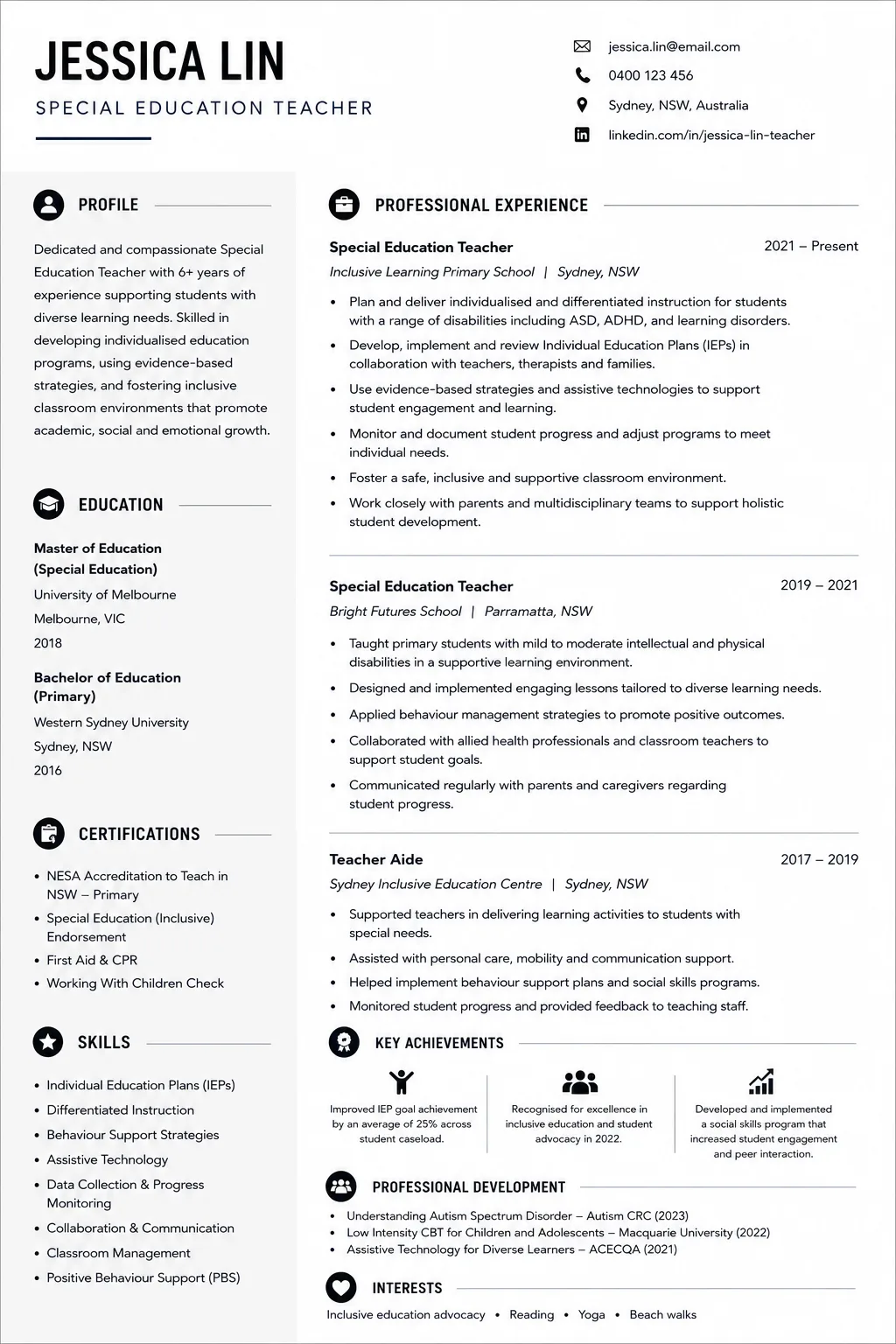
See how a special education teacher resume can show individualized support, behavior plans, classroom routines, and family communication.
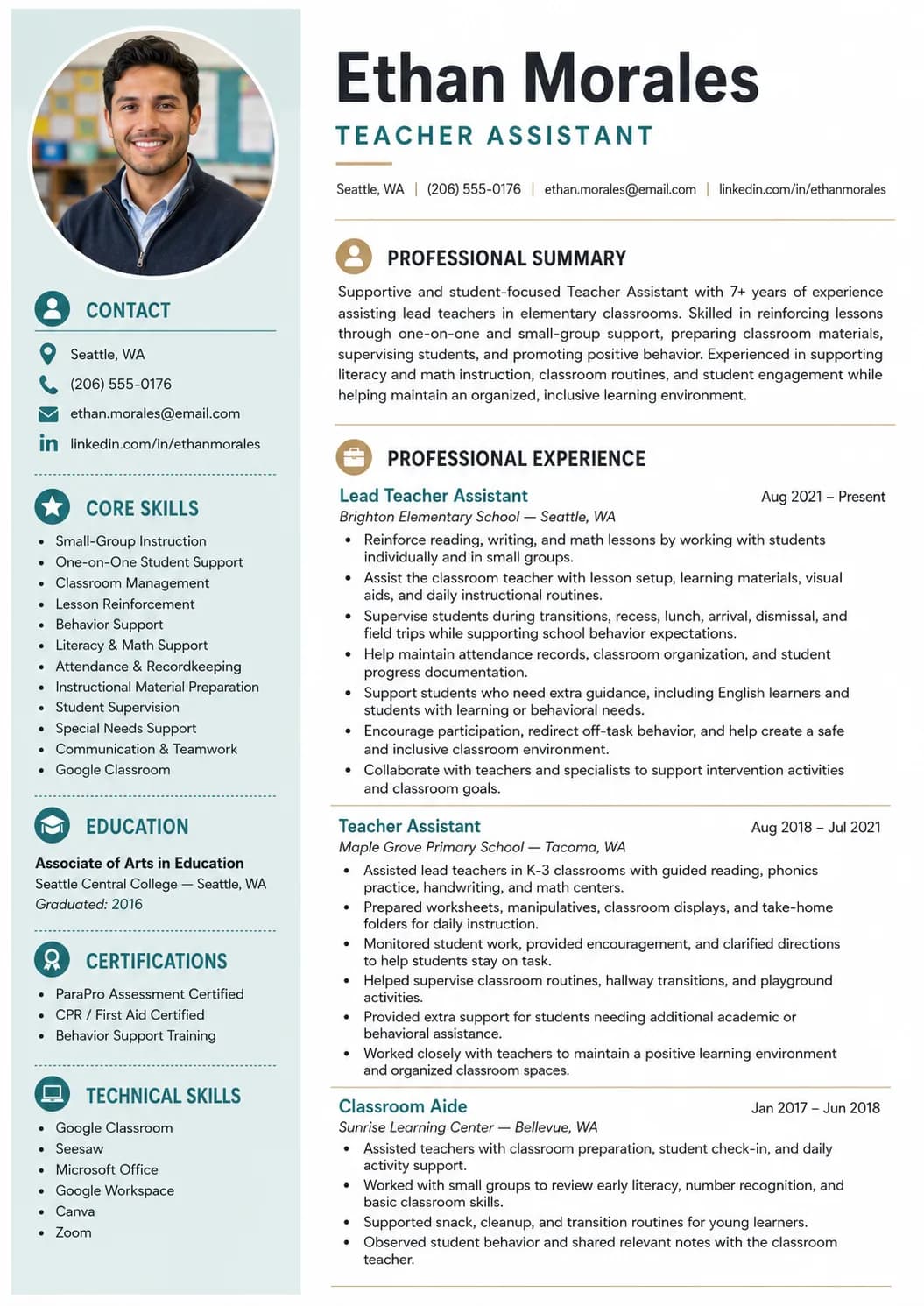
See how a teacher assistant resume can show classroom support, student routines, small-group help, and behavior support.
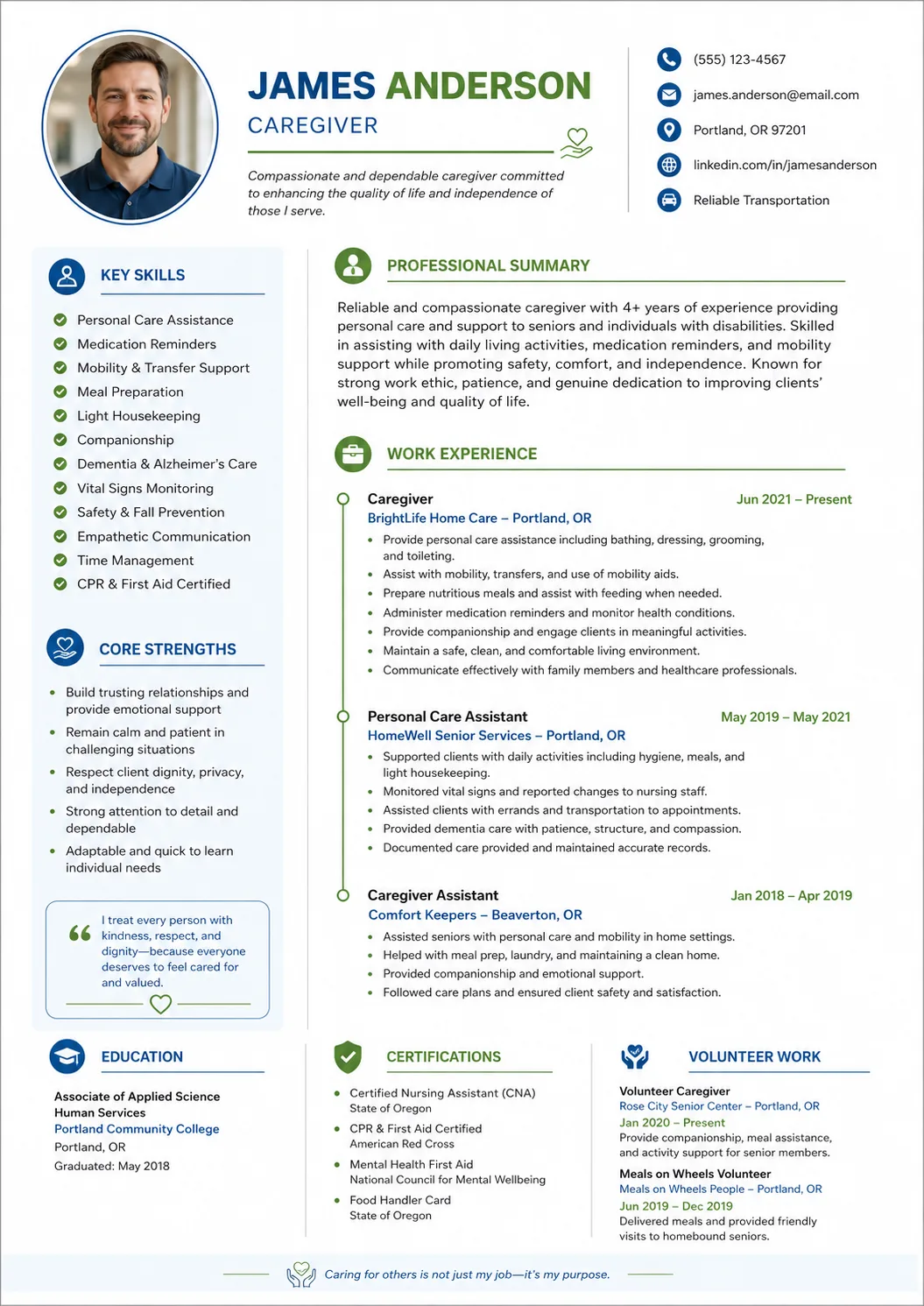
See how a caregiver resume can show safety, daily living support, compassion, routines, and documentation.

See how a mental health technician resume can show patient observation, crisis response, documentation, and team communication.

See how an occupational therapy assistant resume can show treatment support, progress notes, adaptive skills, and patient care.
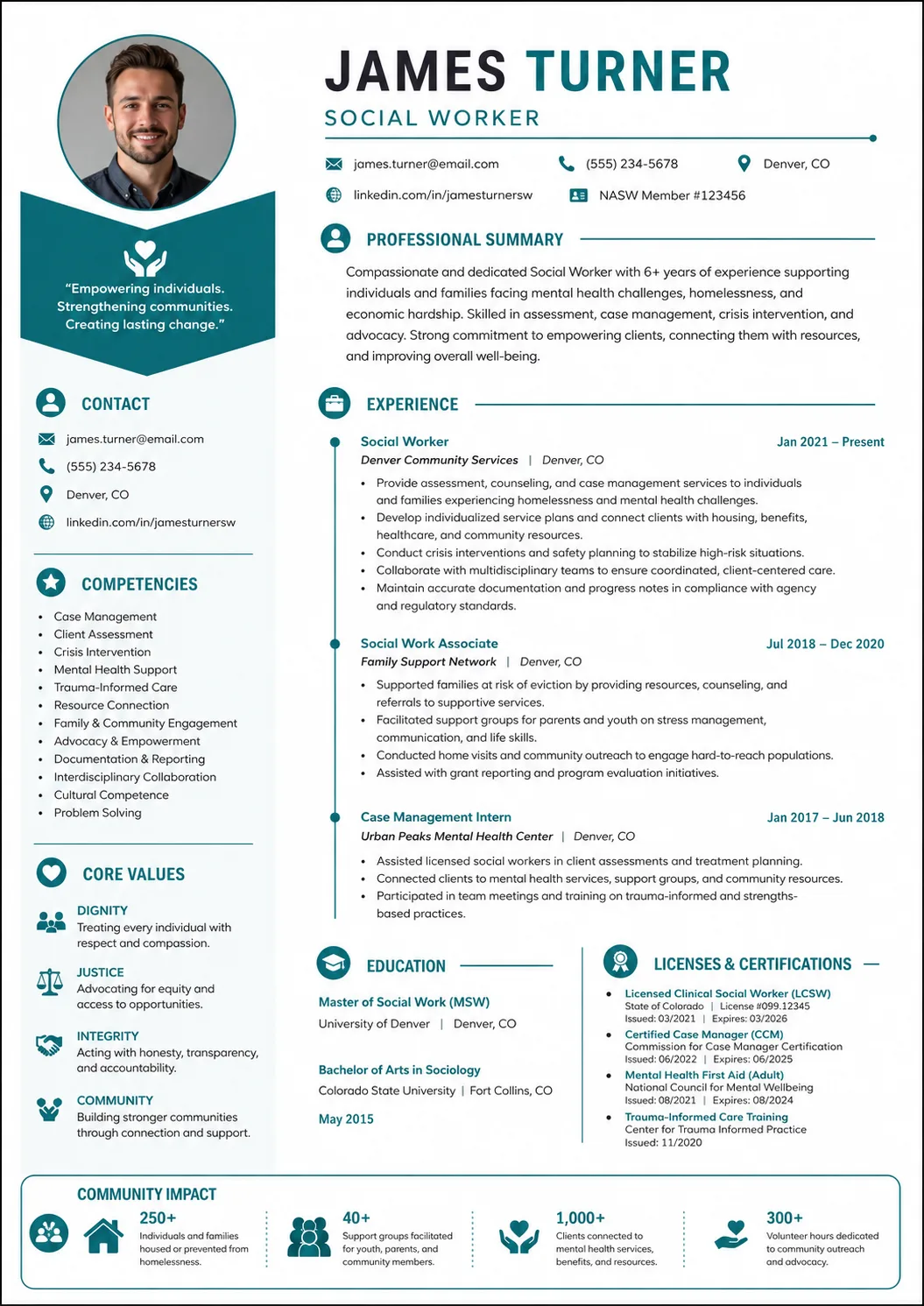
See how a social worker resume can show case notes, client support, safety planning, referrals, and family communication.
ABA Therapist Resume Playbook
ABA therapist hiring teams scan quickly, but they scan for very specific proof. They want to see whether you can implement behavior intervention plans, collect objective data, support skill acquisition, follow BCBA direction, and communicate with caregivers in a professional way. They also want to know the setting you have worked in: clinic, home, school, community, early intervention, or telehealth support. A recruiter may search for terms such as RBT, Applied Behavior Analysis, data collection, skill acquisition, behavior reduction, DTT, natural environment teaching, prompting, fading, reinforcement, ABC data, session notes, caregiver communication, and BCBA supervision. A clinical supervisor may look for treatment fidelity, safety awareness, professional boundaries, and the ability to accept feedback. This role may appear under different titles, including ABA therapist, behavior technician, registered behavior technician, autism therapist, behavioral technician, or ABA line therapist. The title matters, but the resume proof matters more.
You do not need to sound like a BCBA to write a strong ABA therapist resume. In fact, you should not overclaim clinical responsibility if you worked under supervision. You need to show that you can provide consistent, respectful, data-driven support during direct sessions. That can include preparing materials, following acquisition programs, recording trial data, using reinforcement, responding to behavior safely, documenting objective session notes, and communicating concerns to a supervisor. This guide will show you how to write an ABA therapist resume example that feels practical, honest, and specific. A good ABA resume also shows judgment. Employers want to see that you understand dignity, confidentiality, caregiver boundaries, safety procedures, and scope of practice. These details separate a real ABA therapist resume from a generic childcare or healthcare resume.
A strong ABA therapist resume should make three things easy to see: the clients or settings you support, the ABA methods you use, and the way you document and communicate progress. This role is not only about being kind or patient. It is about following a treatment plan, collecting accurate data, using reinforcement and prompting correctly, responding to behavior safely, and sharing objective information with the supervising clinician. The strongest resumes show the full therapy picture. They explain how sessions were prepared, which skill programs were supported, what data was collected, how behavior plans were followed, and how caregivers or team members were updated. This helps the reader see that you are not only a general helper. You are someone who can support ABA treatment with consistency and professional boundaries.
Most ABA employers look for a mix of direct client support and clinical reliability. They want someone who can arrive prepared, build rapport, follow a plan, collect accurate data, and respond to behavior without making unsafe or unsupported decisions. They also want someone who can take feedback from a BCBA or BCaBA and improve session performance. An ABA therapist resume example should not only say worked with children with autism. It should show the type of ABA work, how sessions were structured, what data was collected, and how progress or concerns were shared. Employers also look for trust. ABA therapists often work closely with families, schools, and vulnerable clients. Your resume should show that you understand dignity, privacy, safety, and professional communication.
High-priority proof points
Good proof for newer ABA therapists
Many ABA clinics, schools, and healthcare employers use ATS tools before a recruiter or clinical supervisor reads the resume. These systems may look for job titles, certifications, therapy methods, client populations, documentation tools, and safety training. That means your resume should use clear wording from the posting when it is true for you. If the job asks for RBT, data collection, BCBA supervision, DTT, NET, behavior intervention plan, CentralReach, caregiver communication, or CPR certification, those terms should appear naturally in your summary, skills, and experience bullets. Do not hide strong therapy experience behind vague words like helped or worked with. ATS-friendly writing should still sound natural. A strong bullet might say that you implemented skill acquisition programs under BCBA supervision and recorded trial-by-trial data in CentralReach. That single sentence gives certification context, ABA method, supervision, data type, and tool experience without stuffing keywords.
If your resume uses vague language, strong ABA experience can look weaker than it is. Clear terms like Applied Behavior Analysis, RBT, skill acquisition, behavior intervention plan, ABC data, DTT, natural environment teaching, prompting, fading, reinforcement, caregiver communication, and session notes help both software and human readers understand your fit. The best ABA therapist resume example connects those terms to actual sessions, not just a keyword list.
Start with your strongest base resume, then tailor it for each role. An ABA therapist for early intervention should not sound exactly like one for school-based support, adolescent services, severe behavior support, home therapy, or clinic-based therapy. The structure can stay the same, but the examples should change. Look for repeated words in the posting, then decide which parts of your background match honestly.
If a posting feels broad, look for clues around client age, setting, required certification, behavior intensity, data tools, schedule, and supervision. A role that mentions high behavior needs, crisis prevention, safety plans, and school support may need stronger behavior support and de-escalation language. A role that mentions early intervention, play-based therapy, communication goals, and parent training support may need stronger NET, prompting, imitation, manding, and caregiver communication language. A role that mentions insurance notes, session documentation, and clinical review may need stronger data collection and treatment fidelity language. Tailor the resume without changing the truth.
The best ABA therapist resume format is clean, direct, and easy to scan. A clinic recruiter or BCBA should be able to find your certification status, client settings, data collection experience, ABA techniques, safety training, and session documentation without digging through dense paragraphs. Most candidates should use a reverse-chronological layout because recent direct-care experience matters most. Use short paragraphs and strong bullets. An ABA therapist resume can become hard to read if every bullet repeats the same methods. Keep each bullet focused on one part of the work. For example, one bullet can cover behavior data, another can cover skill acquisition, and another can cover caregiver communication or treatment fidelity.
For the ATS
For recruiters and clinical teams
Keep the resume straightforward. ABA therapist resumes win with clear therapy scope, methods, documentation, and safety proof.
Make each section easy to scan in one quick pass, especially your summary, latest role, skills, certifications, and direct ABA experience.
Do not stretch the resume with every session detail, client story, or private case description. Focus on role-relevant proof while protecting confidentiality.
Avoid tables, heavy icons, photos, and unusual formatting that can confuse ATS tools or distract from direct therapy experience.
Most ABA therapists move faster with a tested resume template. Choose one that keeps the summary near the top, gives enough space for therapy bullets, and makes certifications easy to find. A good template should not force you to cut important clinical context. You need room for client setting, age range, ABA methods, data type, tools, safety training, and supervision. If you have many tools or certifications, group them in the skills or certifications section instead of forcing every detail into experience bullets. If you have strong direct therapy experience, place the strongest bullet first under your most recent role. Recruiters often read the top third of the resume first, so make that space count.
Browse our resume templates or jump straight into the resume builder when you are ready to turn these ABA therapist resume examples into a finished draft.
The summary gives the employer a quick picture of the ABA work you can support. It should name your strongest therapy setting, certification status, client population, and the value you bring to sessions. For this role, the summary should feel clinical but not inflated. Mention tools and ABA methods only if they help the reader understand your fit. A clean summary can include years of experience, RBT status, client setting, supervision, data collection, skill acquisition, behavior support, and one or two strengths such as caregiver communication or session documentation.
Keep the tone professional and specific. Strong summaries use real ABA language, not broad claims about caring for people. A mid-level ABA therapist might lead with RBT certification, clinic and home sessions, DTT, NET, data collection, and BCBA supervision. A senior ABA therapist might lead with lead technician experience, treatment fidelity, mentoring, crisis prevention, and documentation review. Avoid writing a summary that could belong to any childcare or healthcare worker. ABA therapist resume examples should include at least one signal that the candidate understands ABA service delivery. That signal could be RBT, Applied Behavior Analysis, data collection, skill acquisition, behavior intervention plan, DTT, NET, prompting, fading, reinforcement, or session notes.
Skip empty phrases like “compassionate professional,” “hard worker,” or “team player” unless you prove them with ABA context. Employers expect an ABA therapist to be caring, calm, and reliable. Use the space to explain the type of clients you support, the therapy methods you implement, and the way you document progress. A stronger summary says that you deliver one-on-one ABA sessions under BCBA supervision, collect ABC and trial-by-trial data, and support communication, social, and daily living goals.
If you are not sure what to emphasize, start with the strongest proof you have: RBT status, direct session experience, client age group, setting, data tools, ABA methods, safety training, or caregiver communication. An ABA therapist resume summary should help the reader understand your level. Entry-level candidates can show training, supervised practice, childcare, and readiness. Mid-level candidates should show independent session delivery under supervision and accurate data collection. Senior candidates should show mentoring, documentation review, treatment fidelity, and multi-setting support. If you have no impressive numbers, use scope instead. Scope can be just as useful as a metric. Mention clinic and home settings, ages 3-10, a caseload supported under BCBA direction, or daily data entry if those details are true.
When it fits the posting, reuse the employer’s own words for certification status, therapy setting, client population, ABA methods, tools, and safety training. If the posting says RBT, CentralReach, early intervention, DTT, NET, caregiver communication, and BCBA supervision, use those terms where they match your real work. This helps ATS tools and also helps clinical readers connect your background to the job.
ABA therapist with 4+ years of experience providing one-on-one therapy in clinic, home, and school settings. Skilled in RBT-level data collection, skill acquisition, DTT, natural environment teaching, behavior intervention plan support, caregiver communication, and objective session documentation under BCBA supervision.
Your experience section should prove that you can support clients through consistent therapy, accurate data collection, and respectful communication. For an ABA therapist, this section is usually the most important part of the resume because it shows what you do in real sessions. The best experience bullets are specific but not too long. They show the setting, client group, ABA method, data type, supervision, and practical result. An ABA therapist should not take credit for designing a clinical treatment plan unless they actually did that work and were qualified to do so. It is stronger to say that you implemented BCBA-created plans with fidelity and documented client responses accurately.
Employers care about the work behind the title. If you collected behavior data, implemented skill acquisition programs, prepared materials, followed a behavior intervention plan, supported transitions, used reinforcement, wrote session notes, communicated caregiver concerns, or accepted BCBA feedback, that experience counts. The key is to write it clearly. A weak bullet says you worked with children. A strong bullet explains the age group, setting, ABA method, data collected, and supervision. If you worked with sensitive behavior needs, write in a professional and confidential way. Do not include private client details. Explain the support method and documentation instead. For example, behavior intervention plan support, replacement behavior practice, de-escalation procedures, and ABC data collection show much more professionalism than describing a client incident in personal detail.
Use reverse chronological order so your most recent and relevant direct therapy work appears first. For each role, make sure the reader can find:
When you can, add clear context such as client age group, setting, data collection type, session format, tools, treatment goals, caregiver involvement, or supervision model. Numbers are not required in every bullet, but specific scope makes your work easier to trust. A strong ABA therapist resume example should show consistency and professionalism, not private client details. Do not overclaim clinical authority if you worked as an RBT or behavior technician. It is stronger and safer to say you implemented behavior plans under BCBA supervision than to imply you independently designed treatment. Clear scope builds trust.
ABA Therapist, BrightPath Behavioral Services
Orlando, Florida | Feb 2021 - Present
Behavior Technician, Little Steps Autism Center
Kissimmee, Florida | Jun 2019 - Jan 2021
The skills section should reflect daily ABA therapy work. It should help a recruiter, ATS tool, BCBA, clinical director, or school team see that you can prepare for sessions, collect data, implement programs, respond safely, document clearly, and communicate professionally. An ABA therapist skills section should also reflect the setting you are targeting. Clinic roles may value DTT, NET, group readiness, data systems, and treatment fidelity. Home roles may value caregiver communication, rapport building, generalization, flexible teaching, and professional boundaries. School roles may value classroom routines, collaboration with teachers, behavior support, transitions, and communication goals.
Keep a longer master list outside your resume, then pull in only the skills that match each job. An ABA therapist resume for early intervention may need play-based learning, NET, manding, imitation, joint attention, prompting, and caregiver updates. A school-based resume may need behavior support, visual schedules, classroom routines, data collection, and team communication. A clinic-based resume may need DTT, reinforcement, session preparation, CentralReach, Catalyst, or treatment fidelity. You can divide skills into groups if your template supports it. Useful groups include ABA Methods, Data and Documentation, Client Support, Safety and Ethics, Caregiver Communication, and Clinical Tools. Grouping helps the reader scan the resume faster.
Employers often prioritize skill groups such as:
A strong ABA therapist skills section mixes therapy methods, data skills, communication, safety, and ethics. Do not list every ABA term you have heard once. Focus on skills you can explain in an interview and support with experience bullets. If you list DTT, show a bullet where you used trial-by-trial teaching. If you list caregiver communication, show a bullet where you prepared updates or shared concerns with a supervisor. If you list data collection, show the data types or tools you used. The safest way to prove a skill is to repeat it in a therapy bullet. This creates consistency across the resume and helps clinical supervisors trust your experience.
Education matters on an ABA therapist resume, but the weight depends on your background and employer requirements. Degrees in psychology, behavior analysis, special education, child development, social work, counseling, human services, nursing, or healthcare can support your fit. If your degree is not directly related, you can still write a strong resume by showing RBT training, supervised ABA experience, safety credentials, and direct client support. For ABA therapists, education should support the story but not replace direct session proof. A degree can show foundation, but employers usually care most about whether you can implement plans, collect data, and follow clinical direction.
Once you have strong ABA experience, direct therapy results usually matter more than coursework. Still, employers need this section to be easy to verify. Keep the degree, school, location, and graduation year clear. Add relevant coursework only when it supports a newer candidate, such as applied behavior analysis, developmental psychology, autism spectrum disorders, special education, child development, behavior principles, counseling skills, communication disorders, or ethics. If you are working toward BCBA or BCaBA eligibility, include the pathway only when the wording is accurate. Do not imply a credential you do not yet have.
ABA therapist certifications and training can help when they match the role. RBT is one of the most common credentials for direct ABA service roles. BCAT or ABAT may also appear in some postings. CPR/First Aid, BLS, HIPAA, mandated reporter, crisis prevention, Safety-Care, CPI, QBS, autism training, and de-escalation training can support your fit when they are relevant. Certifications should not be treated as a replacement for good session experience, but they can make your resume easier to trust. They show that you understand common ABA language, professional boundaries, and safety expectations. For newer candidates, they can prove readiness. For experienced candidates, they can support clinical reliability when the posting asks for a specific credential.
Before you apply, make sure your certification terms, ABA methods, data tools, safety training, and supervision language match the posting. If a job asks for RBT, BCBA supervision, DTT, CentralReach, home-based therapy, school-based support, early intervention, behavior intervention plans, or caregiver communication, use those terms only when they are true for your background. Clear certification wording helps ATS tools and hiring teams verify your fit faster. If you are currently completing training, write it honestly, such as RBT 40-hour training completed, RBT exam scheduled, or CPR certification expected 2026. Do not list certifications you have not started. Clinical employers may verify them, and unclear wording can damage trust.
Bullet upgrade
Use the stronger version as the model: lead with a clear therapy action, add client or setting context, and include the data, method, or outcome that proves the work mattered. ABA therapist resume bullets should show what you implemented, how you collected data, what goals you supported, and how you communicated with supervisors or caregivers. A good test is this: could the same bullet appear on any childcare or healthcare resume? If yes, it is too generic. Add ABA context, such as DTT, NET, prompting, fading, reinforcement, ABC data, skill acquisition, behavior intervention plan, or session notes.
Weak
Worked with children with autism.
Stronger
Delivered one-on-one ABA sessions for children ages 3-8 under BCBA supervision, using reinforcement, prompting, and trial-by-trial data collection to support communication and daily living goals.
The stronger bullet names the setting, client age group, supervision, ABA methods, data type, and treatment focus.
Weak
Collected data during sessions.
Stronger
Recorded frequency, duration, ABC, and skill acquisition data in CentralReach after each session and flagged data trends for BCBA review.
This version shows the type of data, documentation tool, timing, and how the information supported clinical oversight.
Weak
Helped with behavior problems.
Stronger
Implemented behavior support strategies from the client behavior intervention plan, used de-escalation steps, and documented antecedents, responses, and replacement skills after incidents.
The better version avoids vague language and shows plan fidelity, safety, objective documentation, and replacement-skill support.
ATS keyword bank
Recruiters, clinic hiring teams, and applicant tracking systems often scan for exact ABA role language. Use these ABA therapist resume keywords only when they honestly match your background. Good keywords are not magic words. They are normal therapy terms that help employers understand your fit: Applied Behavior Analysis, RBT, BCBA supervision, data collection, skill acquisition, behavior intervention plan, DTT, natural environment teaching, prompting, fading, reinforcement, ABC data, session notes, caregiver communication, and client dignity. Use exact tool names when they matter. CentralReach is stronger than data system if you used it. Catalyst, Rethink, Motivity, Hi Rasmus, or other ABA data platforms can help when they match your real experience.
Mirror the posting wording for certification status, client population, ABA methods, therapy setting, documentation tools, safety training, and supervision requirements when they accurately match your background. Use keywords inside real therapy examples instead of stuffing them into a long list.
Matching application
Pair this resume with a short ABA therapist cover letter that explains the setting you fit, the client population you support, and one strong example from your therapy work. Do not repeat every bullet. Use the cover letter to connect your ABA experience to the clinic, school, home program, or early intervention role. A short cover letter can also explain context that is hard to fit into the resume, such as why you are moving from childcare into ABA, why your psychology degree supports the role, or how your RBT training prepared you for direct therapy sessions.
Name the ABA setting or client group you fit, such as clinic-based therapy, in-home sessions, school support, early intervention, adolescents, or clients with developmental disabilities.
Connect one resume example to therapy value, such as better data quality, stronger session consistency, smoother transitions, caregiver communication, or skill acquisition support.
Explain how you follow BCBA direction, maintain professional boundaries, and communicate clearly with caregivers and care teams.
Final review
Before you send your ABA therapist resume, compare it with the job posting one last time. Look for missing certification status, client age group, therapy setting, ABA methods, data tools, safety training, and documentation requirements. Small changes can make the resume feel much more relevant to the role. Also check whether your strongest therapy experience appears near the top. If your best ABA example is hidden in an older job or a related childcare role, make the bullet more specific so the hiring team can see the fit.
A final check on role keywords, certification status, client setting, data collection, and safety training helps both ATS tools and clinical hiring teams understand your fit quickly. Compare your resume with the posting and make sure the most important requirements are visible in the first half of the page.
Before You Start Writing
Ready to build
Start with this ABA therapist resume example, then build a matching cover letter that speaks directly to the setting, client population, certification needs, and therapy goals in the role you want. Keep the page focused on proof: direct sessions, treatment plan support, data collection, skill acquisition, behavior support, session notes, safety, and communication. That is what makes the resume useful for both search engines and real hiring teams.