Aviation skills section example: show what you do safely and reliably
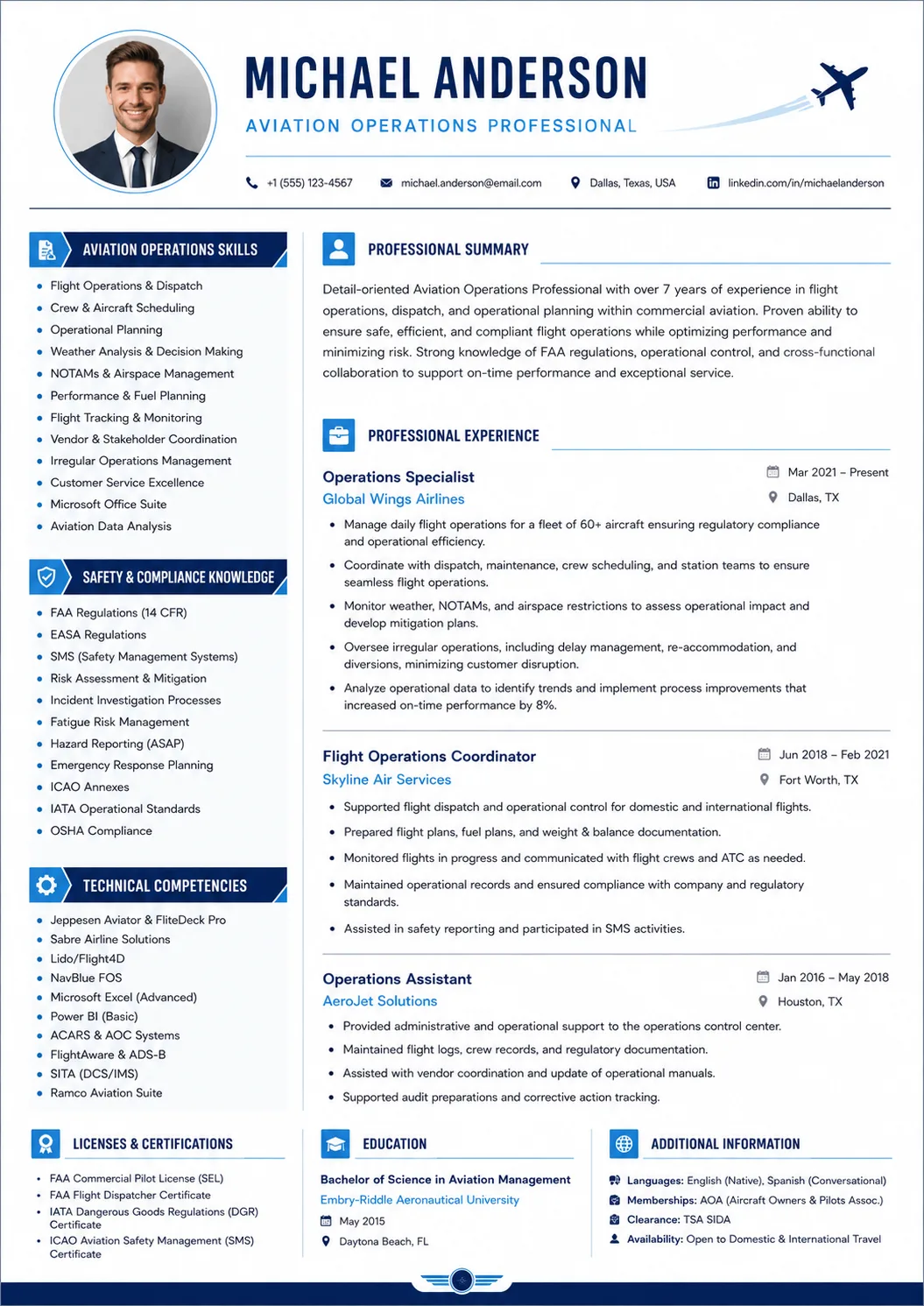
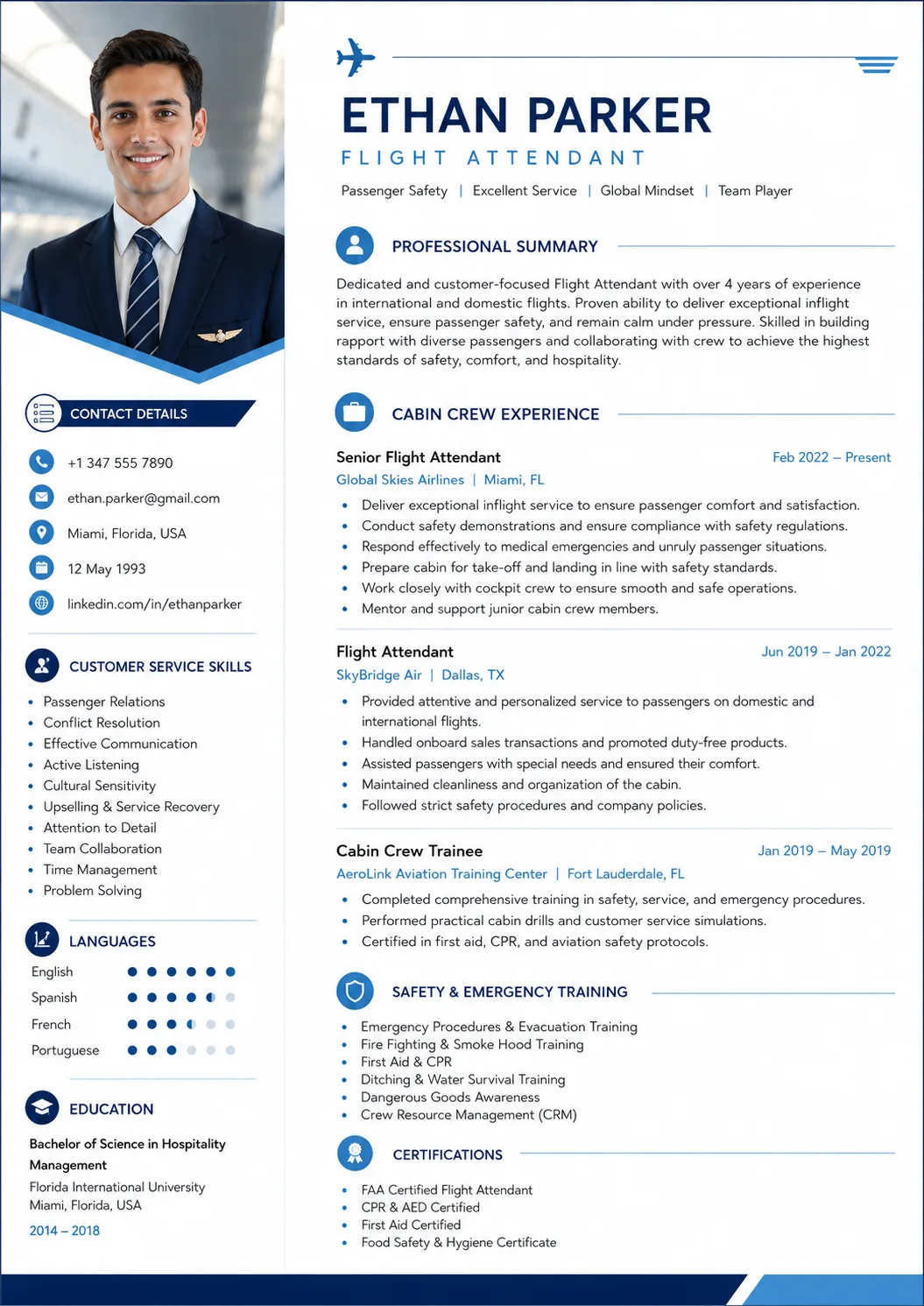
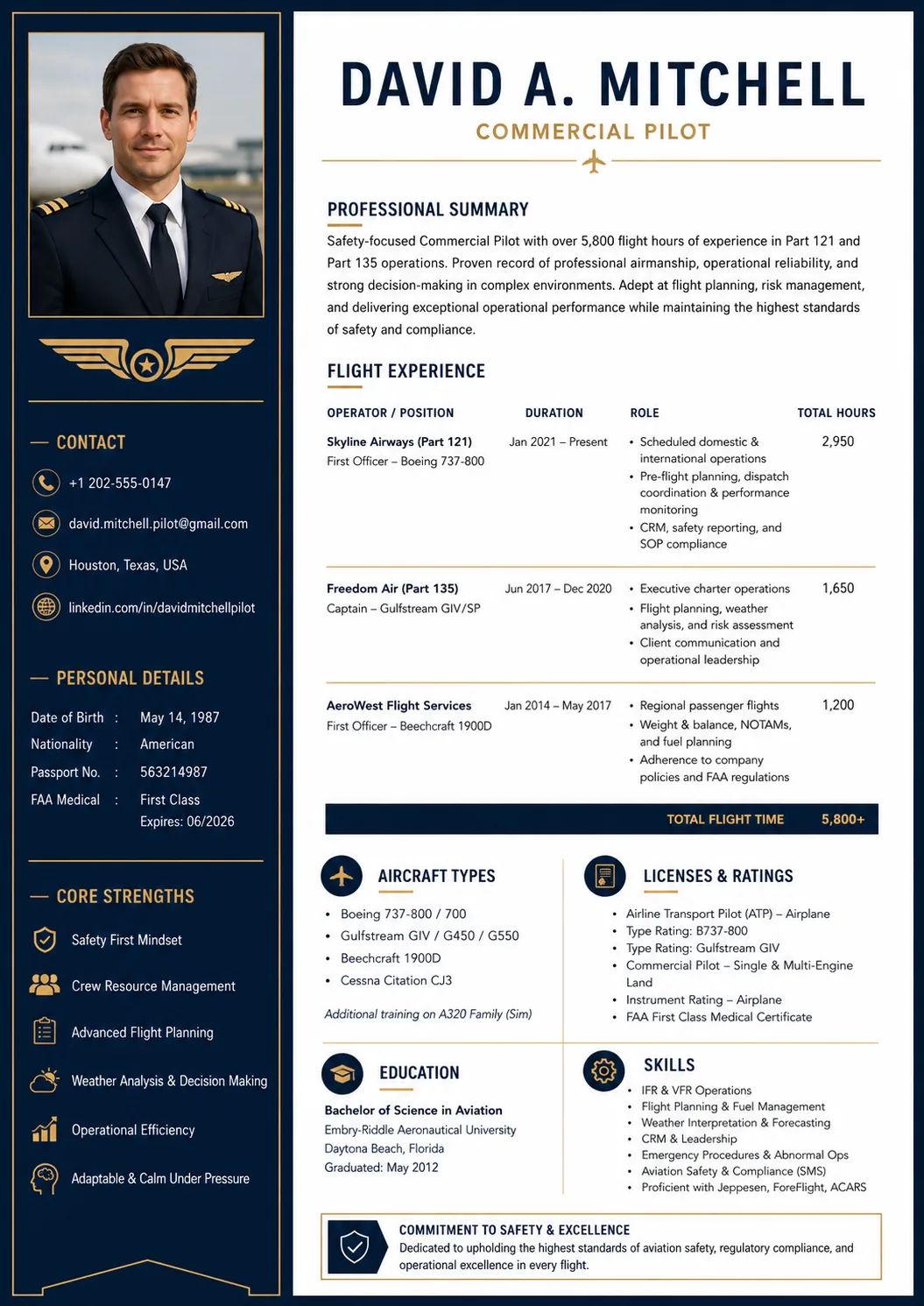
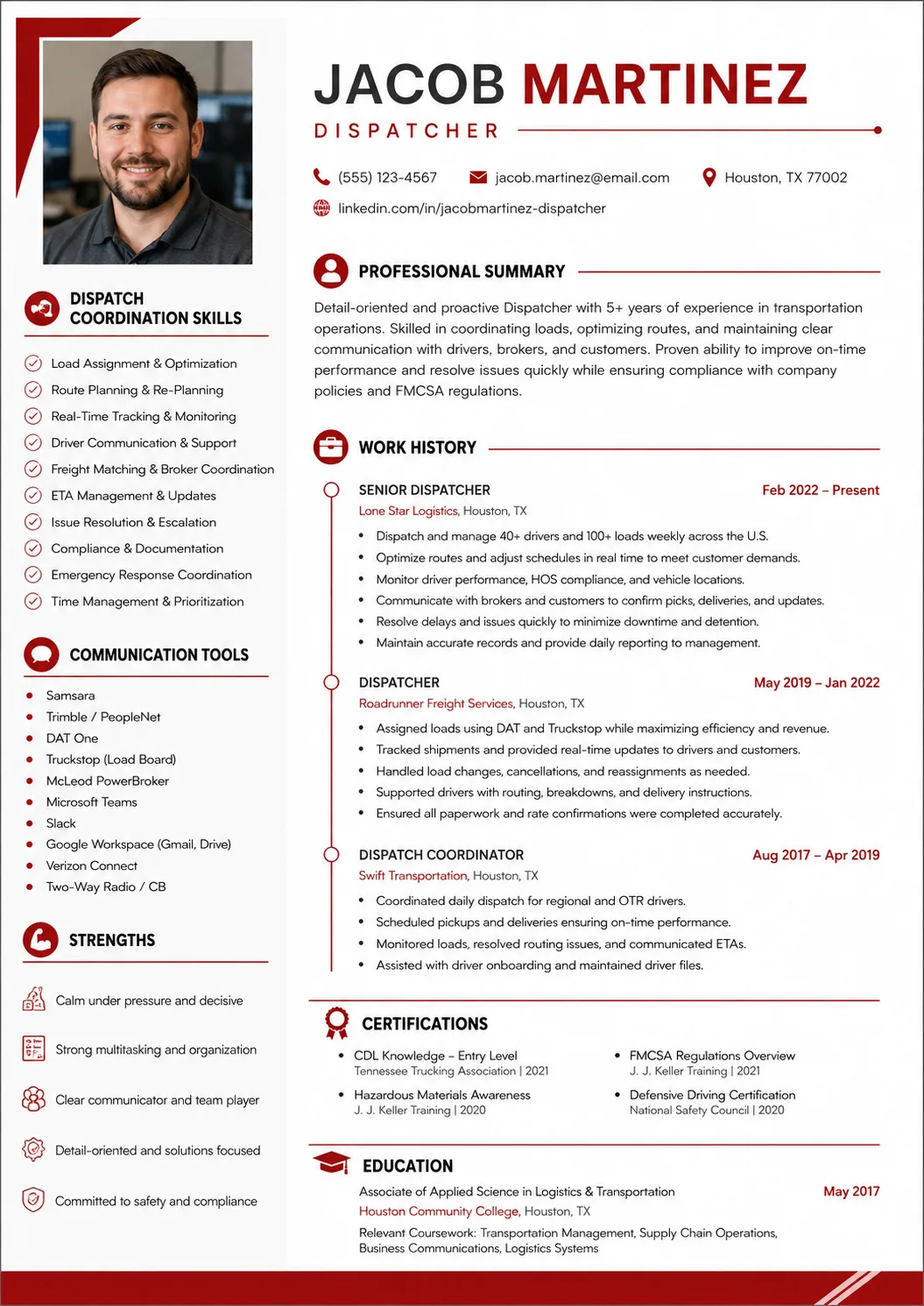
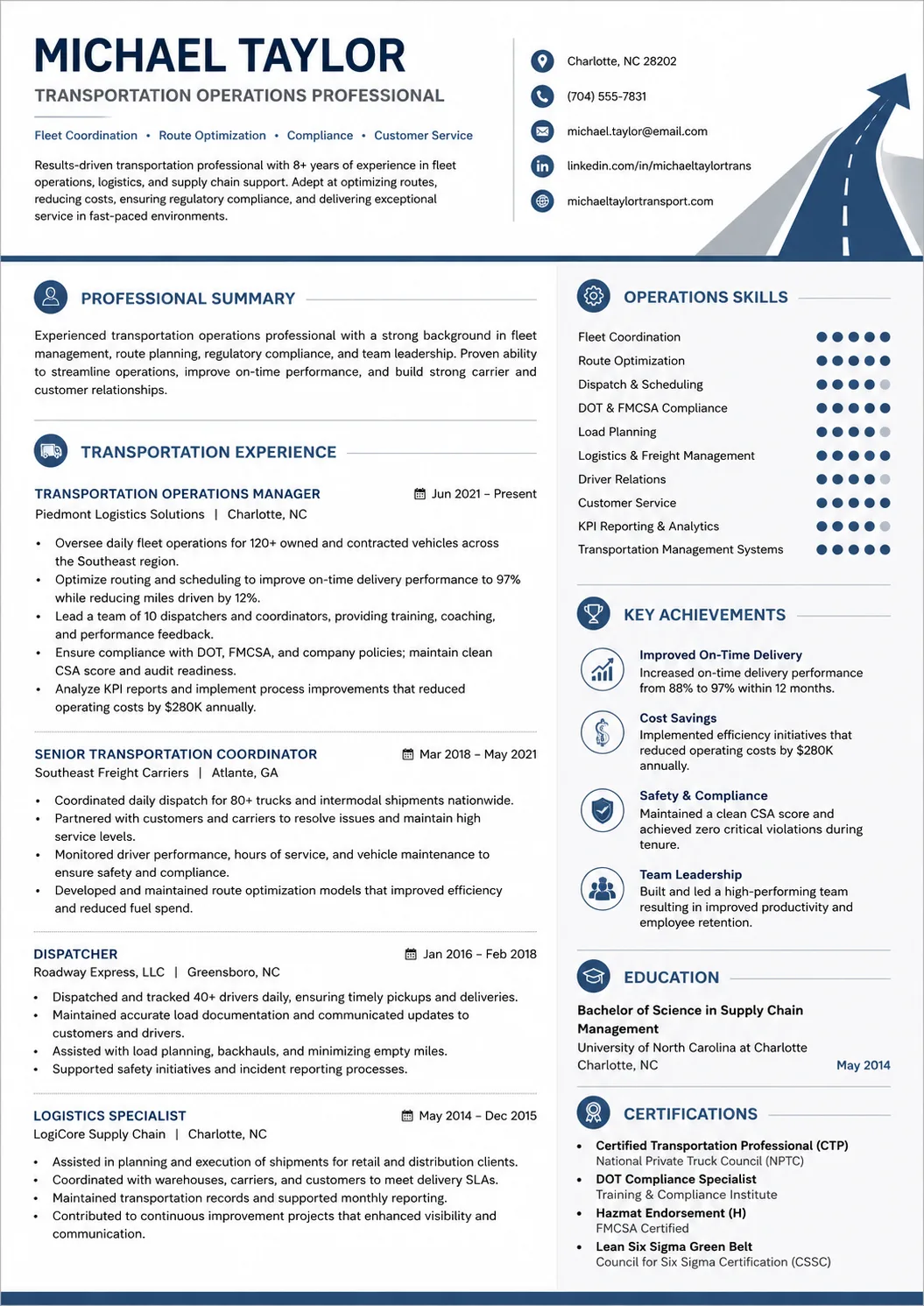
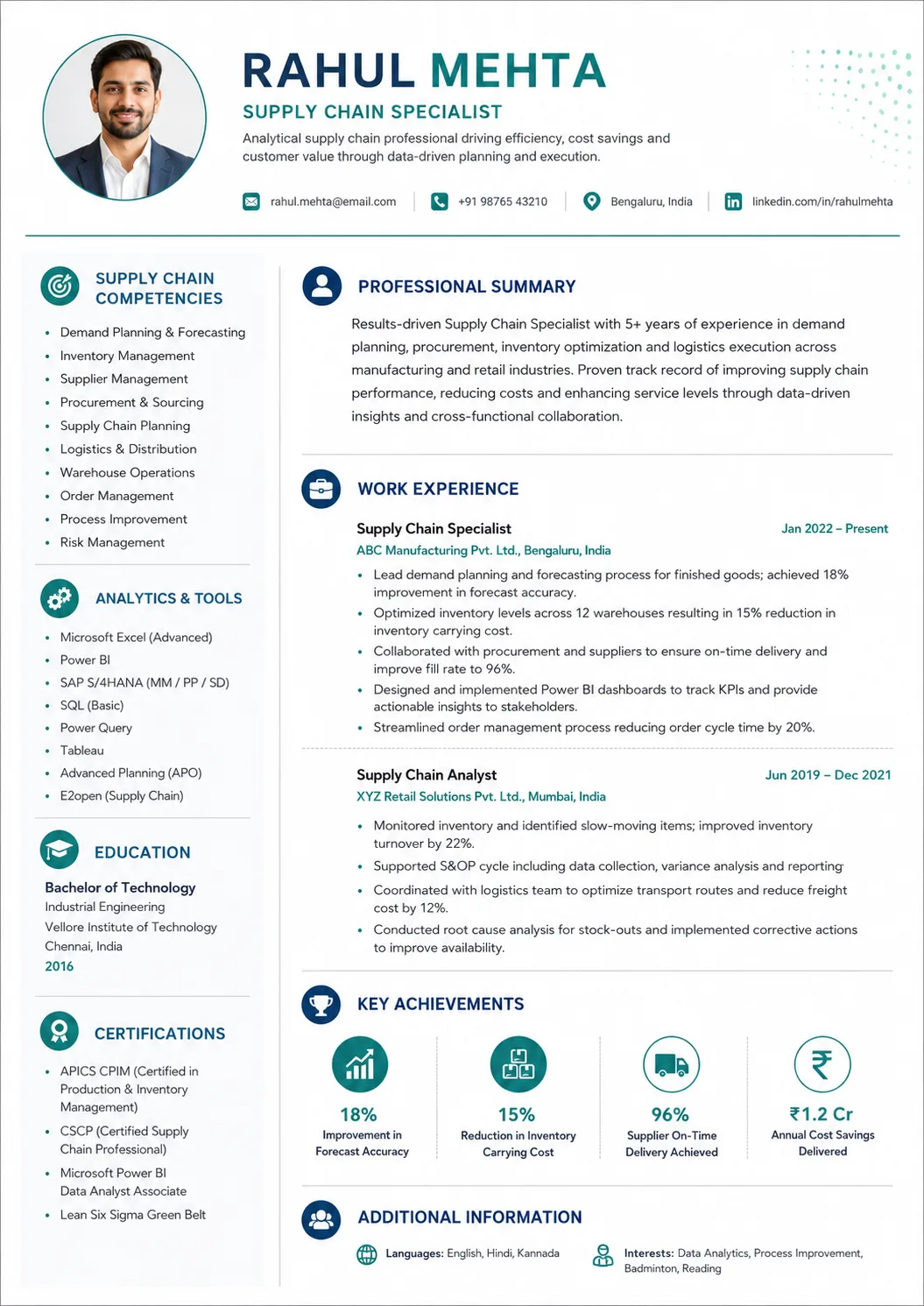
The aviation skills section should reflect daily airport, airline, ramp, flight support, or aviation service work. It should help a recruiter, operations manager, station manager, or ATS tool see that you can follow procedures, communicate clearly, record details, support customers, and keep safety first. Good aviation resume skills are not random personality words. They are skills connected to actual aviation work: aviation safety, airport operations, ground handling, ramp operations, flight operations, aircraft turnaround, passenger service, FOD inspection, regulatory compliance, radio communication, operations logs, dispatch support, weather monitoring, and shift handovers.
Keep a longer master list outside your resume, then choose the skills that fit each posting. A good aviation resume does not need every skill you have. It needs the skills that match the employer, role, and aviation setting. For example, a ramp agent may highlight ramp safety, aircraft turnaround, FOD awareness, baggage handling, ground support equipment, and hand signals. An aviation operations coordinator may highlight flight status updates, shift logs, dispatch support, airport systems, customer communication, and delay reporting. A maintenance support candidate may highlight work orders, maintenance tracking, inspection records, parts coordination, and regulatory documentation.
A strong aviation skills section mixes technical, safety, communication, and service skills. Do not separate skills in a way that makes the page confusing. Group them if your template allows it, or list the most important ones first. The most useful aviation resume skills are usually the ones that also appear in your experience bullets. If you list FOD inspection, show a bullet where you completed or supported FOD control. If you list passenger service, show a bullet where you handled questions, delays, or special assistance. This makes your skills believable instead of decorative.