Bookkeeper skills section example: show what you do every day
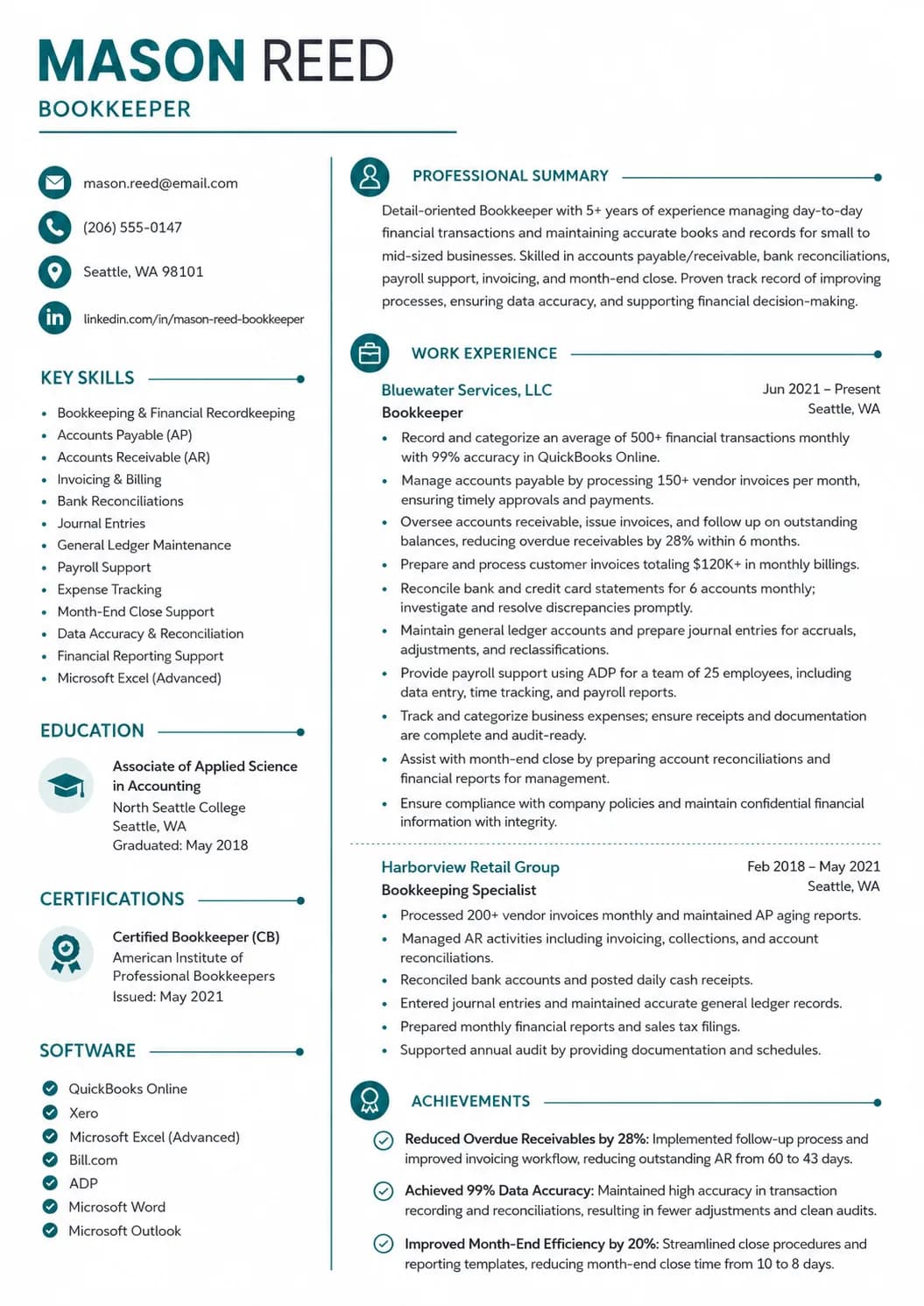
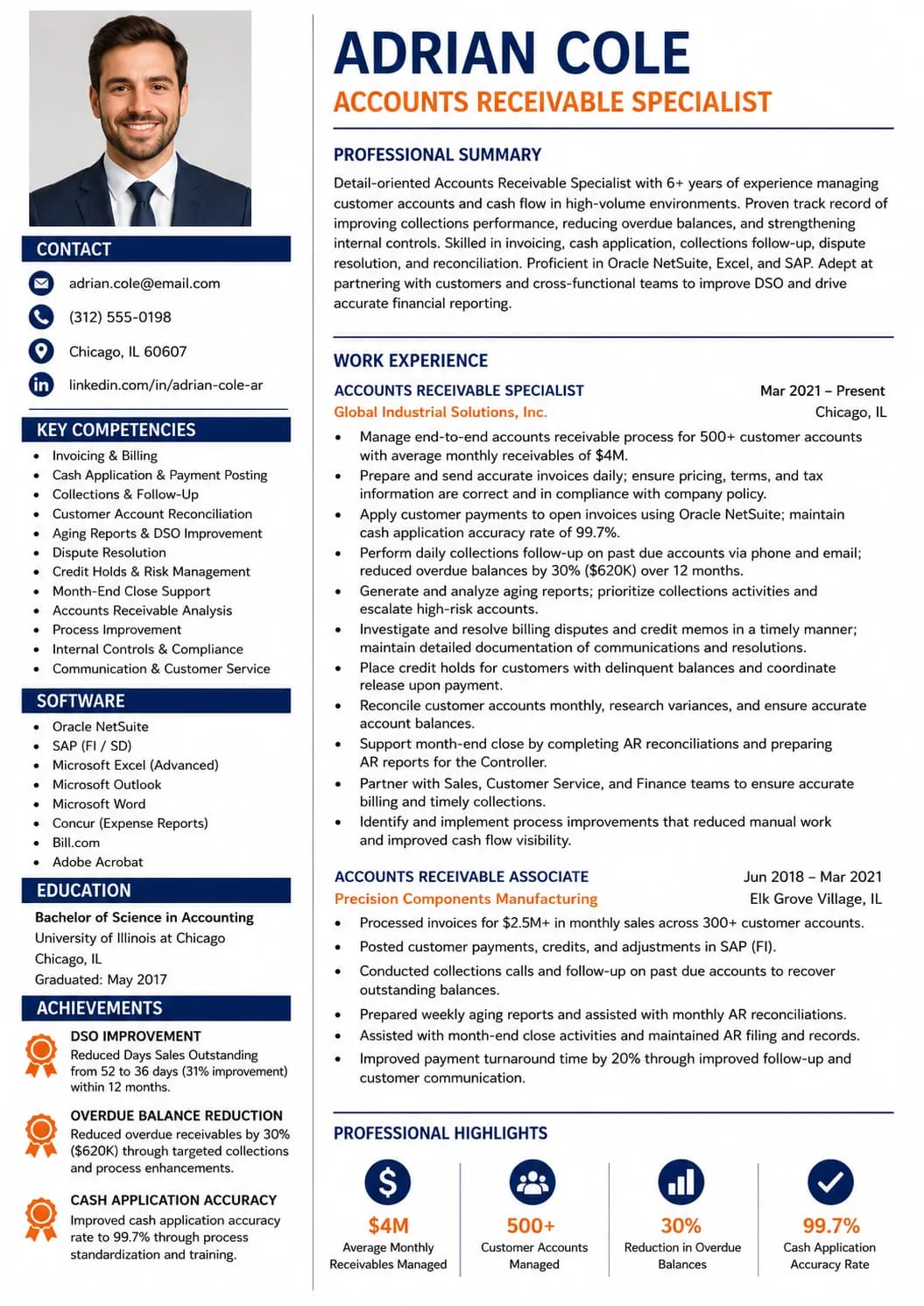
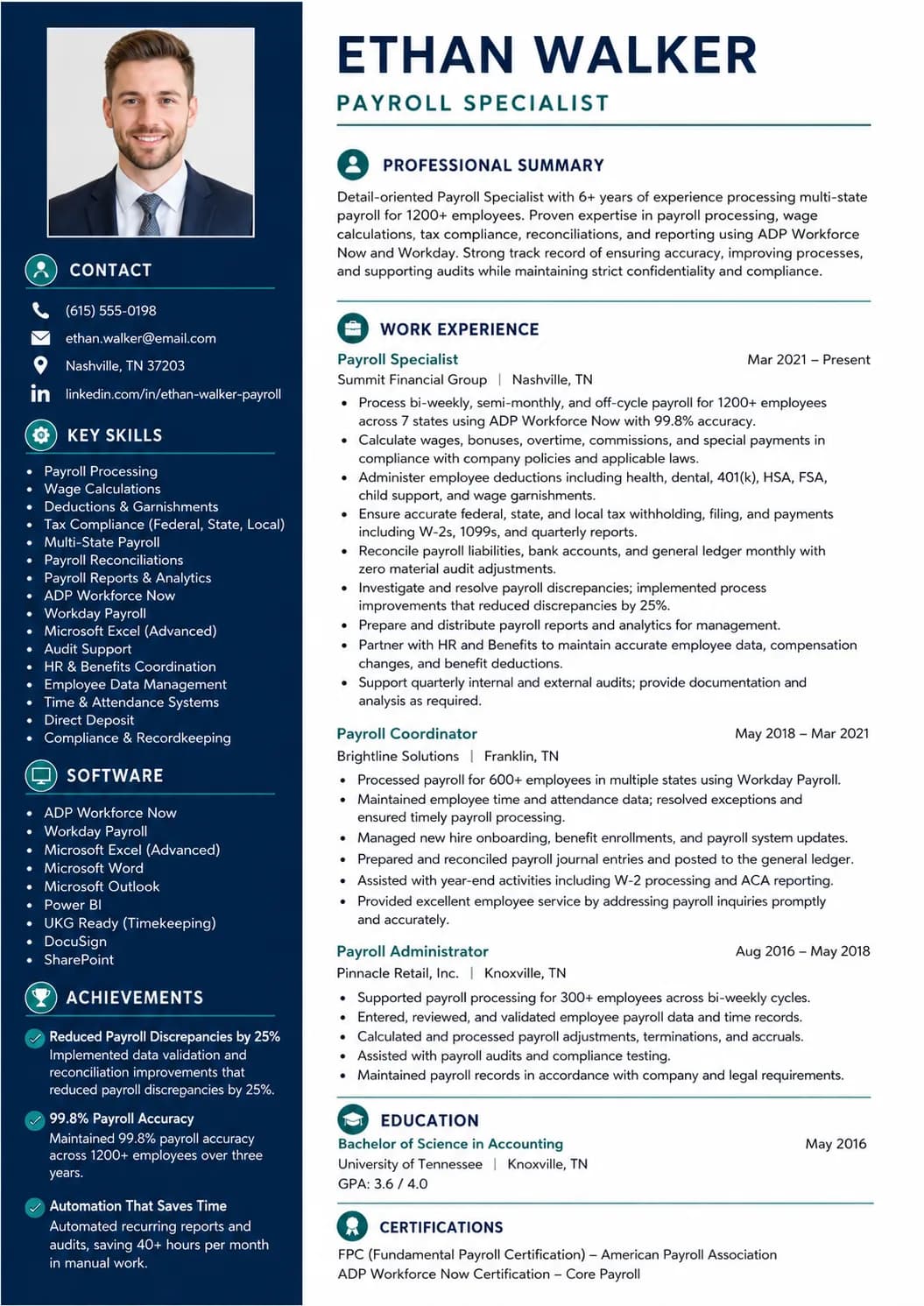
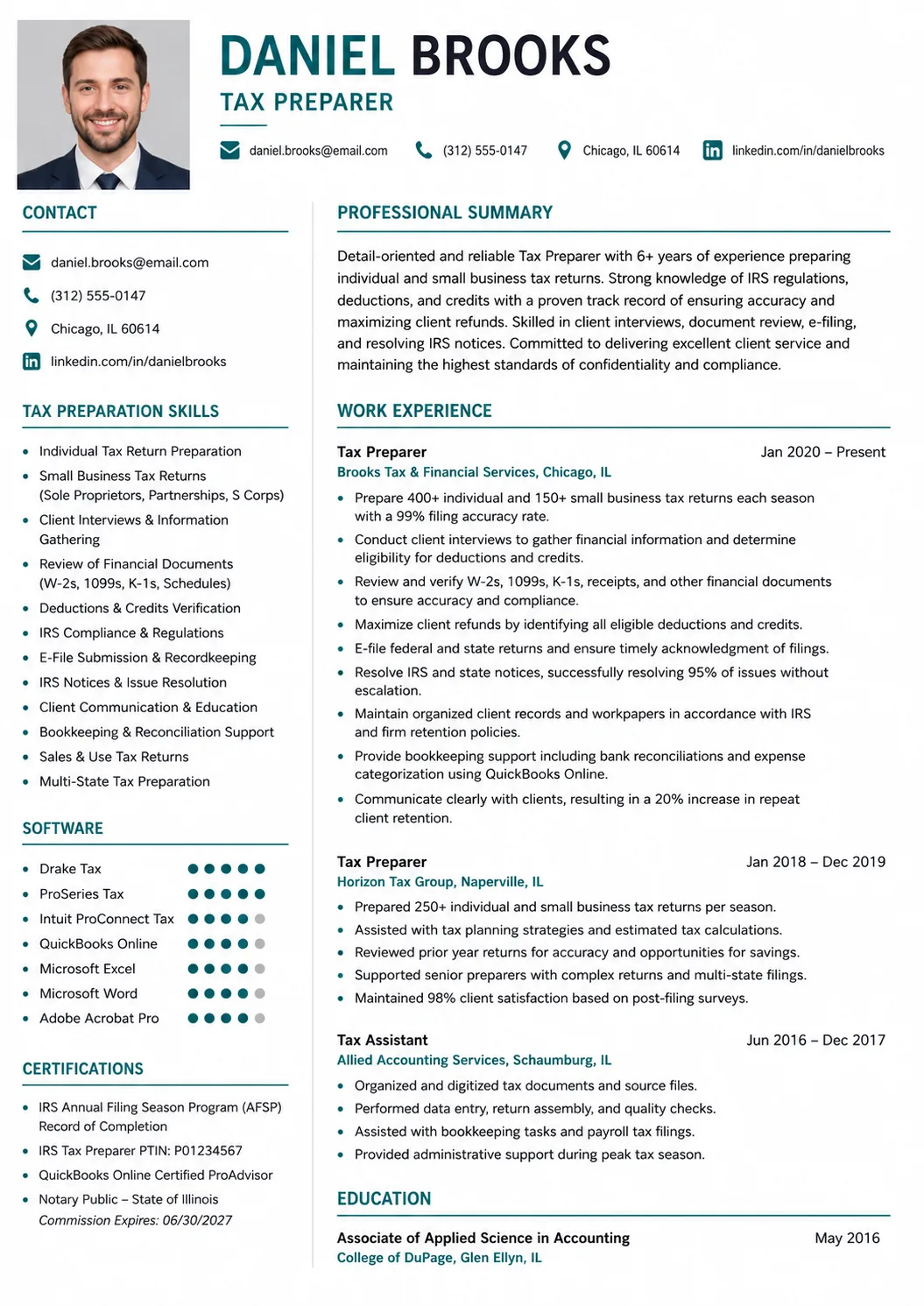
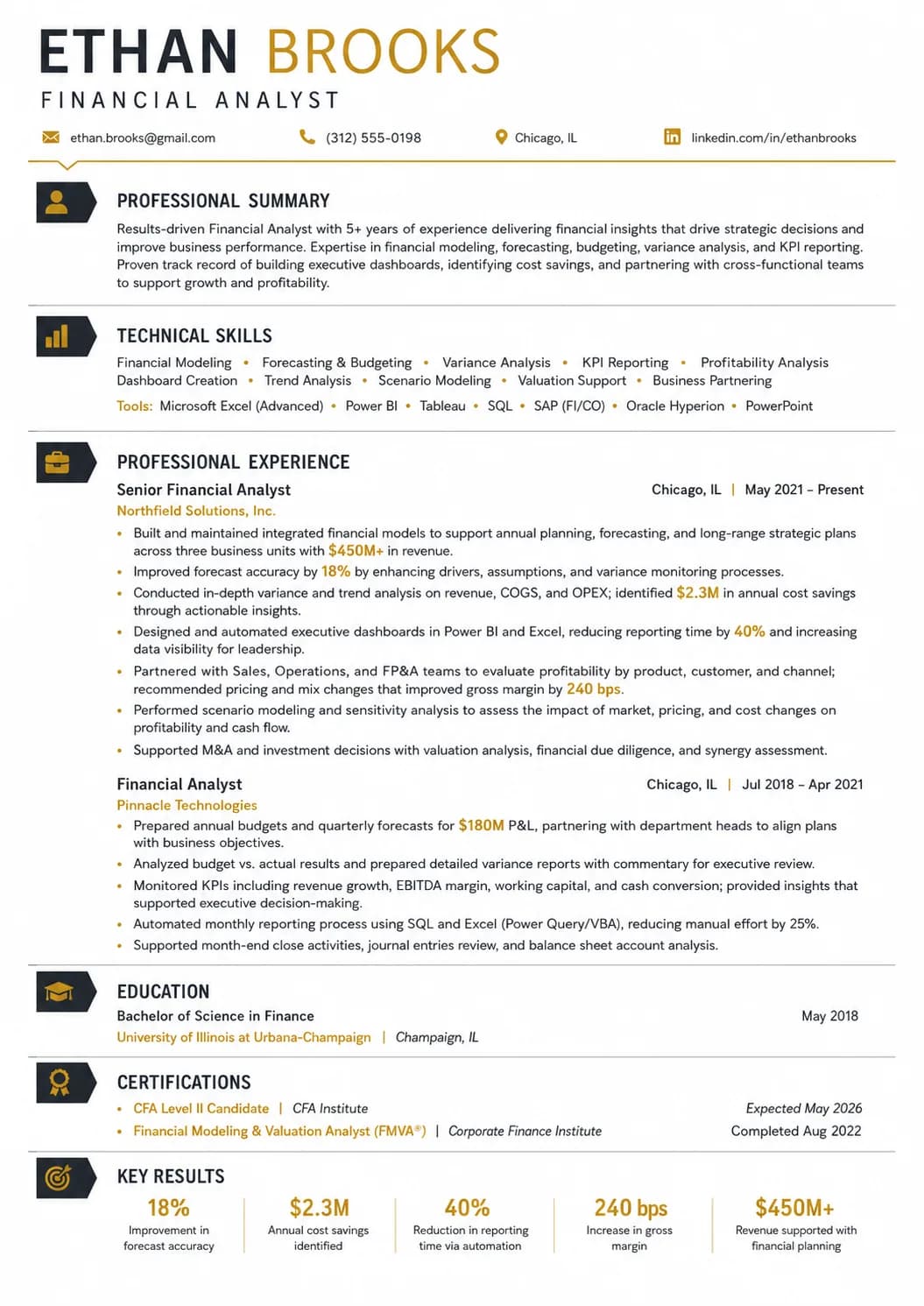
The bookkeeper skills section should reflect daily bookkeeping work. It should help a small business owner, accounting firm, finance recruiter, controller, or ATS tool see that you can reconcile, enter, code, invoice, pay, report, organize, and support payroll. Good bookkeeper resume skills are not random personality words. They are skills connected to actual finance work: bank reconciliation, QuickBooks Online, Xero, accounts payable, accounts receivable, payroll support, general ledger, journal entries, invoicing, billing, month-end close, chart of accounts, Excel reporting, expense tracking, sales tax support, and CPA-ready documentation.
Keep a longer master list outside your resume, then choose the skills that fit each employer posting. A good bookkeeper resume does not need every skill you have. It needs the skills that match the business size, software, transaction volume, payroll needs, tax support, and reporting process in the job description. For example, a small business bookkeeper may highlight QuickBooks Online, bank reconciliation, invoices, bills, payroll, and owner reports. A nonprofit bookkeeper may highlight fund tracking, donor deposits, restricted funds, and grant documentation. A senior bookkeeper may highlight cleanup projects, client books, chart of accounts review, software migration, and junior training.
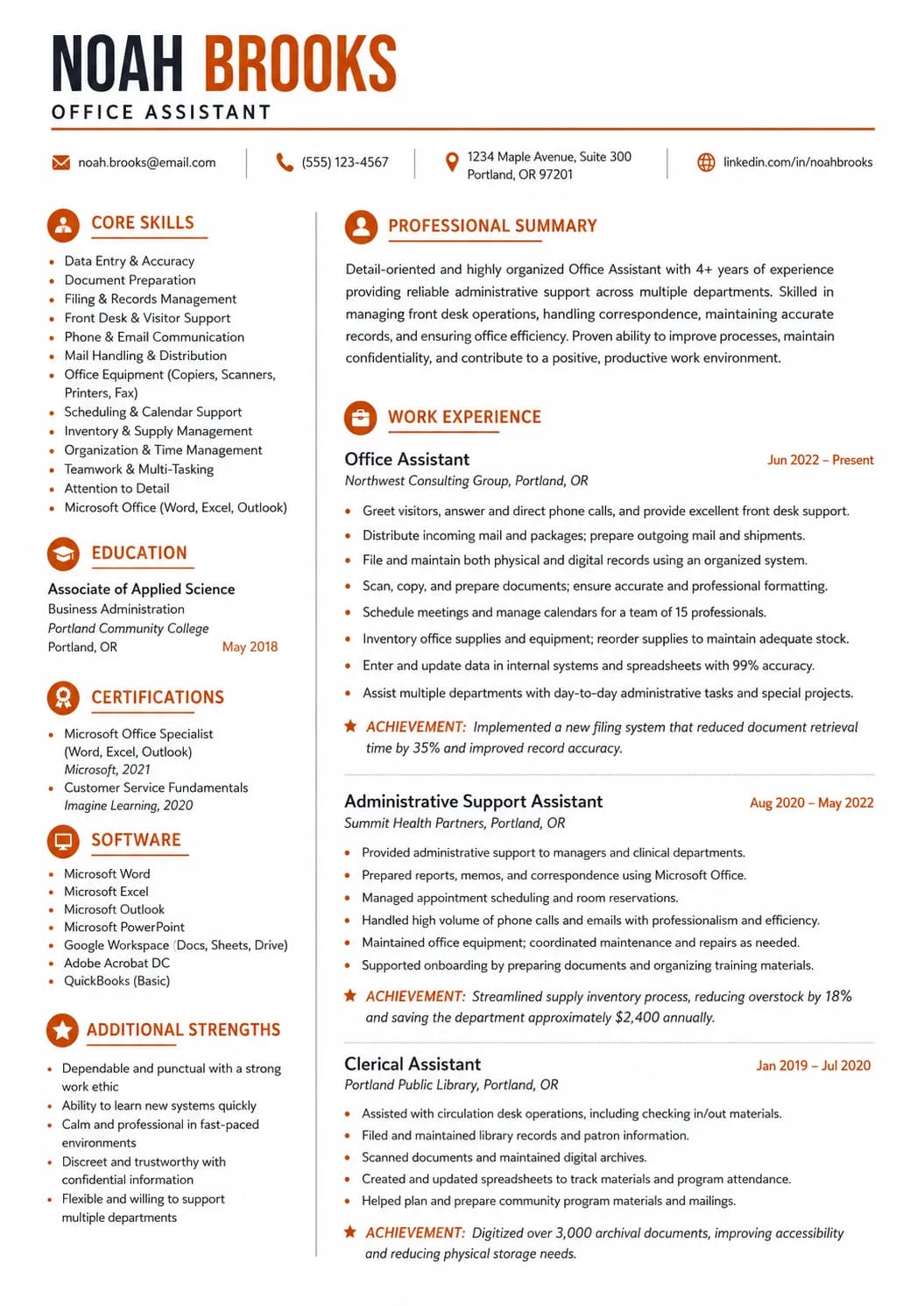
A strong bookkeeper skills section mixes technical bookkeeping skills with communication and control skills. Do not separate skills in a way that makes the page confusing. Group them if your template allows it, or list the most important ones first. The most useful bookkeeper resume skills are usually the ones that also appear in your experience bullets. If you list bank reconciliation, show a bullet where you reconciled accounts. If you list payroll support, show a bullet where you checked timesheets or prepared payroll summaries. This makes your skills believable instead of decorative.